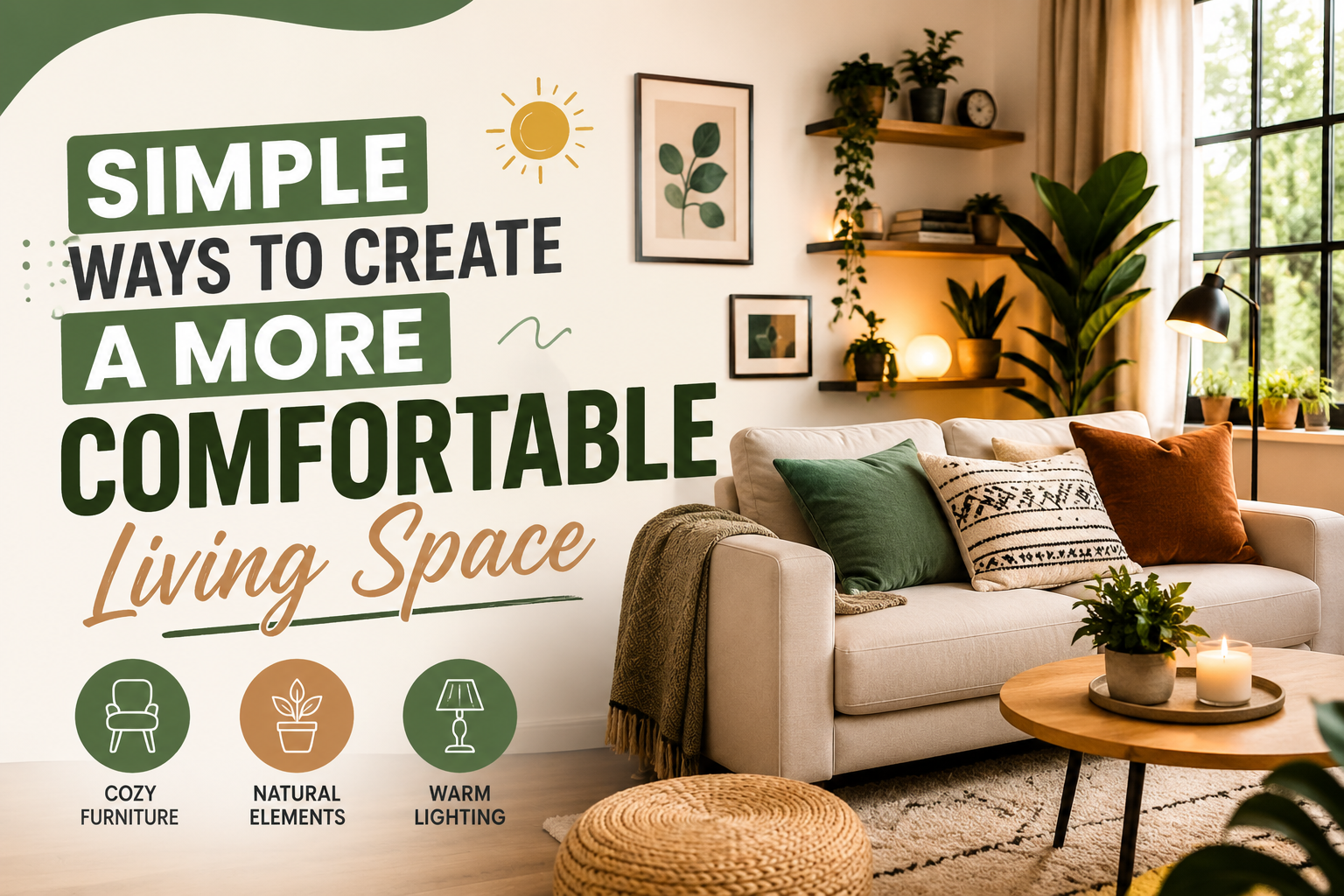
A More Comfortable Home Starts With Better Choices
A comfortable home is not created by filling every corner with furniture and decorations. It comes from choosing things that support the way you actually live, reducing unnecessary distractions, and creating rooms that feel natural, practical, and welcoming.
The idea of a comfortable home can mean something different to everyone. For some people, it is a quiet bedroom with soft lighting. For others, it is a practical kitchen where everything is easy to reach or a living room where family and friends can relax without worrying about keeping everything perfectly arranged.
Mindful home choices are about paying attention to those everyday experiences. Instead of buying something simply because it is popular, attractive, or heavily promoted, think about whether it genuinely improves your home. Does it make the room easier to use? Does it add comfort? Does it solve a problem? Does it fit your lifestyle?
This approach can also be budget-friendly. You do not need to replace everything in your home. Sometimes the most meaningful improvements come from removing unnecessary items, rearranging furniture, improving lighting, choosing practical materials, and making better use of the space you already have.
Pay attention to what makes your home comfortable or frustrating.
Remove things that create work without adding value.
Select furniture and details that support everyday life.
1. Think About How You Actually Live
The first step toward a more comfortable home is understanding your real routines. A beautiful room is not necessarily a useful room if its layout does not match the way you live.
If your family spends most evenings together watching movies, the living room should prioritize comfortable seating and easy access to blankets, remotes, and drinks. If you work from home, your workspace needs enough lighting, a comfortable chair, and a layout that helps you stay focused.
Before making changes, observe your home for a few days. Notice where people naturally sit, where clutter accumulates, where you constantly search for things, and which spaces feel awkward to use.
“What is one thing in this room that makes my everyday routine harder?” Fixing that problem may be more valuable than adding another decorative item.
2. Choose Comfort Before Trends
Home trends can be fun, but they should not control every decision. A piece of furniture may look beautiful in a photograph and still be uncomfortable or impractical in your home.
When choosing furniture, think about how it feels to use. Is the sofa comfortable enough for long evenings? Is the dining table large enough for your household? Is the bed positioned in a way that makes the bedroom easy to move around?
Trends change quickly. Comfort and functionality usually have much longer staying power.
3. Create Breathing Room Between Furniture
A room can feel uncomfortable when too much furniture is packed into it. Even if every piece is attractive, the overall space may feel crowded.
Look at the pathways between major pieces. People should be able to walk through the room naturally without squeezing around furniture or constantly bumping into corners.
If a room feels crowded, experiment before buying anything new. Move a chair, reposition a table, or remove one piece temporarily. You may discover that less furniture creates more comfort.
Leave Room for Movement
A comfortable room needs space not only for furniture, but also for people. Clear pathways can make even a modest-sized room feel easier and more relaxing to use.
4. Pay Attention to Lighting
Lighting can completely change how a room feels. A space that looks cold under one bright ceiling fixture may feel much more inviting with a combination of natural light, lamps, and softer evening lighting.
Use daylight whenever possible. Keep windows clear and choose window treatments that provide the right balance between privacy and natural brightness.
In the evening, consider using several smaller light sources instead of relying entirely on one overhead fixture. A floor lamp beside a chair, a table lamp, or a warm reading light can create different levels of illumination for different activities.
5. Choose Materials That Are Easy to Live With
Comfort is not just about appearance. The materials in your home should match your lifestyle.
If you have children or pets, easy-to-clean surfaces may be more practical than delicate materials that require constant maintenance. If you cook frequently, durable kitchen surfaces may be more valuable than purely decorative finishes.
Think about how a material will look after months and years of normal use, not just how it appears on the day you purchase it.
6. Bring Nature Into Your Living Space
Natural elements can make a home feel more connected and relaxed. You can introduce nature through houseplants, flowers, wood, woven materials, stone, natural fabrics, or views of outdoor greenery.
You do not need a large collection of plants. One healthy plant in a suitable location can add life to an otherwise plain corner.
If you do not have much time for plant care, choose options that match the available light and your schedule rather than selecting plants solely for appearance.
Add a few plants or fresh natural elements.
Use natural wood tones for warmth and texture.
Introduce softness with cotton, linen, wool, or similar fabrics.
7. Reduce Visual Noise
A room can feel busy even when it is technically clean. Too many colors, patterns, decorations, exposed products, and small objects can compete for attention.
Choose a few pieces that you genuinely like and give them enough space to stand out. You do not have to display every decorative object you own at the same time.
Rotating decorations seasonally can also keep your home interesting without adding more permanent clutter.
8. Create a Relaxing Bedroom
The bedroom should support rest, so it is worth being selective about what enters this space. Keep unnecessary paperwork, work equipment, and random household items out when possible.
Choose bedding that feels comfortable, use lighting that works for your evening routine, and keep frequently used items within easy reach.
A simple bedroom can still have personality. Artwork, a favorite blanket, a small plant, or a meaningful photograph can make the room feel personal without overwhelming it.
9. Make the Kitchen Work for You
The kitchen is one of the most active spaces in many American homes, so functionality should guide your choices.
Store frequently used cooking tools near the areas where you use them. Keep everyday dishes easy to reach and place occasional appliances in less accessible storage.
When organizing cabinets, think about the sequence of your routine. If you prepare coffee every morning, keeping coffee supplies together can save time and reduce unnecessary searching.
10. Make Your Living Room Flexible
A comfortable living room should be able to handle different activities. It may be used for watching television, reading, working, entertaining guests, or spending time with family.
Instead of designing the room around a single activity, create flexible areas. A comfortable chair can become a reading corner. A small side table can hold drinks, books, or a laptop. A storage ottoman can provide seating while keeping blankets nearby.
Flexible furniture can be particularly useful when rooms need to serve more than one purpose.
Comfort Does Not Have to Mean More Stuff
Sometimes comfort comes from removing something: an oversized piece of furniture, an unnecessary table, excess decoration, or an item that constantly gets in the way. Before adding something new, ask whether removing something would create the improvement you want.
11. Think About Sound
Sound is often forgotten when people plan their homes, but it can strongly influence how comfortable a room feels.
Soft furnishings such as rugs, curtains, upholstered furniture, and fabric accessories can help reduce the hard, echoing quality that some rooms develop.
Also consider where noisy appliances, televisions, and work equipment are located. Creating a quieter corner for reading or relaxing can give your home a valuable retreat.
12. Keep Frequently Used Items Within Reach
Mindful organization means storing things according to how often you use them. Everyday items should be easy to access, while seasonal or rarely used belongings can be stored in less convenient locations.
This approach reduces the amount of effort required for everyday tasks. It also makes it more likely that you will put things away because the correct storage location is convenient.
13. Avoid Buying Furniture Just to Fill Space
An empty corner can sometimes be a good thing. You do not need to fill every wall or floor area with furniture.
Before buying a new cabinet, chair, side table, or decorative piece, ask what purpose it will serve. If the answer is simply “the room looks empty,” consider leaving the space open.
Empty areas can improve movement and give the room a more relaxed visual rhythm.
14. Choose Decor With Meaning
Decorating mindfully does not mean creating a boring home. It means being selective about what you display.
Family photographs, artwork from places you have visited, handmade objects, books you enjoy, or other meaningful pieces can give a home personality.
When everything on a shelf has a reason for being there, the room often feels more personal than when it is filled with random decorative items.
15. Consider the Long-Term Cost of Every Purchase
A low purchase price does not always mean an item is inexpensive in the long run. Something that breaks quickly, requires constant maintenance, or does not work well may eventually cost more than a durable alternative.
Before buying home products, consider quality, usefulness, maintenance, storage requirements, and how long you expect to use the item.
This mindset can help reduce unnecessary purchases while creating a home filled with things that genuinely serve a purpose.
16. Create One Quiet Corner
Every home benefits from having at least one place where you can slow down. It does not need to be an entire room.
A comfortable chair near a window, a small reading area, a quiet corner of the bedroom, or even part of a porch can become a personal retreat.
Add comfortable seating, appropriate lighting, and perhaps a small table for a book or drink. Keep this area relatively free from work-related clutter.
Buy for Your Life, Not for an Imaginary Lifestyle
A home should support the way you actually live. If you rarely entertain, you may not need furniture designed for large gatherings. If you love reading, comfortable seating and good lighting may matter more. If your family spends most evenings in the kitchen, prioritize that space. The best home choices are the ones that fit your real routines.
17. Make Cleaning Easier Through Better Choices
Think about maintenance when choosing items for your home. Furniture with difficult-to-clean surfaces, excessive decorative details, or hard-to-reach areas may require more effort than you expect.
Simple shapes, washable fabrics where appropriate, accessible storage, and practical materials can make regular cleaning easier.
The goal is not to eliminate all maintenance. Every home requires cleaning. The goal is to avoid unnecessary work created by poor design choices.
18. Use a “One In, One Out” Approach
If clutter is a recurring problem, consider a simple replacement rule. When you bring in a new item of the same general category, consider whether an older item should leave.
For example, if you purchase a new jacket, you might review your existing jackets. If you buy new kitchen equipment, look for something you no longer use.
This does not need to become a strict rule for every purchase. It is simply a reminder that storage space is limited and every new item has an impact on the home.
19. Make the Home Feel Like Yours
A comfortable home should reflect the people who live there. Do not feel pressured to recreate a room from a magazine or social media post exactly.
Use colors you enjoy, display meaningful objects, choose furniture that feels comfortable, and arrange rooms around your routines.
Personal comfort is more important than following every decorating trend.
20. Review Your Home From Time to Time
Homes change as people change. Furniture that worked five years ago may no longer suit your current routine. A spare room may become an office. Children may need different storage as they grow. Work arrangements may change.
Every few months, walk through your home and ask whether each room still works for you.
Small adjustments can keep your space comfortable without requiring a major redesign.
Frequently Asked Questions
What does a mindful home mean?
A mindful home is a space designed around how you actually live. It focuses on comfort, usefulness, organization, personal preferences, and thoughtful purchasing rather than simply following trends.
How can I make my home more comfortable without renovating?
Rearrange furniture, improve lighting, reduce clutter, add comfortable textiles, introduce natural elements, and create better storage for everyday items. These changes can have a noticeable effect without structural renovations.
Does a comfortable home need expensive furniture?
No. Comfort depends more on how furniture fits your body, routine, and room than on its price. Practical placement, appropriate lighting, soft textures, and reduced clutter can make an inexpensive space feel welcoming.
How do I make a small home feel more comfortable?
Prioritize clear pathways, multifunctional furniture, appropriate storage, natural light, and fewer unnecessary objects. Avoid filling every available corner and choose pieces that serve a useful purpose.
How can I decorate without creating clutter?
Choose fewer decorative pieces and give each one enough space to be noticed. Meaningful artwork, photographs, plants, books, and textiles can add personality without requiring a large number of objects.
What should I consider before buying something for my home?
Think about its purpose, comfort, durability, maintenance, storage needs, and whether it genuinely fits your lifestyle. A thoughtful purchase should improve your home rather than simply occupy another space.
Create a Home That Supports the Life You Live
Mindful home choices are not about creating a perfect interior. They are about making thoughtful decisions that improve comfort, reduce unnecessary work, and help your home function naturally.
Start by observing how you use each room. Remove what no longer serves a purpose, improve the layout, choose practical materials, make lighting more comfortable, and keep the things you love. Over time, these small decisions can turn an ordinary house or apartment into a space that feels genuinely comfortable, personal, and easy to live in.